Suffering in the Garden
Matthew 26.14-27.54


The primeval ocean, hidden by darkness, tossing its stormy waves without boundary or shape. It was deep… the kind of deep that births leviathans, titans, and the elder gods. It was the deep, dark that every child knows is in their closet and under the bed. This is the primal fear, the boogeyman, the paralyzing silence that falls as we feel the doom creep into the room during the witching hours.
It is here the Spirit chooses to brood. It is here that God breathed words of birth and creation. Words that sparked the fire of light, turning fearful darkness into the beauty of night. Words that gave boundary and shape to the sea, making room for the sky. Words that called forth mountains from the depths of the chaotic soup.
Thus, the formless became gestated, and the newly formed house of creation was made, ready to be filled. Vegetation, sea creatures, plants, livestock, fruit, creepy crawlies, flowers, and birds… from amoeba and protozoa to higher mammals and apex predators; all things put in their place, within their home. The void filled. The shapeless formed.
With the chaos formed and filled, God utters three words, pronouncing judgment over all, “It is good.” The world is a good place, filled with wonder and dreadful beauty and light and so much more. This is God’s place; we dwell in the good cosmos.
In the middle of this wondrous, good creation, Divinity planted a garden filled with animals and vegetation, trees and insects. The garden was life, filled to overflowing with breath and sound, taste, texture.
The crowning element of Creation was the human God formed from the very dust of this good Earth. Out of the mud of Tera Ferma, divinity scooped a handful of dirt and shaped a body. Then, Spirit filled the body with breath, and behold, there was a person: body, mind, and soul.
The person was placed in the garden God had planted in the middle of this good creation. The human was given the task of naming animals and cultivating the garden, being the gardener of the place God chose to walk in the cool of the day. Humanity has a place in God’s good creation.
Spirit saw everything and said, “This is very good.”
Gardens hold a mythical element to them. They are a place where life erupts—plants grow, ecosystems are developed, fruit and vegetables are brought forth. The miracle of the relationship between nature and cultivation, the birth of vegetation, the joy of the harvest… all of this and more is in the garden.
When God places humanity in a garden, it’s not some ceremonial display of manicured hedges and well-trimmed trees. This isn’t a decorative garden. This is a garden of soil—the stuff of humanity—if fertilization, of seed, of blossom. This is a lived-in garden, lush with food and flower. It is a place of enjoyment, a place for humanity to meet with divinity, a place to call home.
There’s another garden at the end of the story of the Bible. New creation is described as another garden, another home. Here, there is healing for the nations, food for the famished, the cure for poverty. Here everyone has enough, and the lies of scarcity are banished.
This garden is our destiny… but before we can step into that garden made new, we have to stay in the garden of suffering.
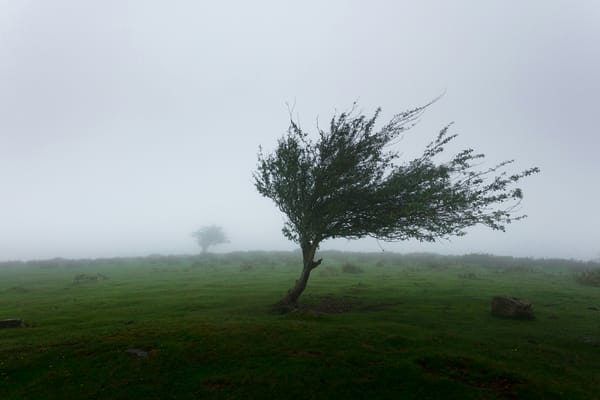
The garden of suffering is a rocky soil and a barren field. It is the dark night of the soul. It is the acknowledgement that death is imminent. The garden of suffering is where we sweat blood with Jesus, anguished, heartbroken, grieving, and full of lament. It is where we are honest about our worry and anxiety, about the places in ourselves where we hold to the lie of scarcity as if it is gospel truth. The garden of suffering is where Jesus went to pray the night before his passion.
Jesus didn’t go alone—neither do we have to—but his friends didn’t bring comfort. Full from a Passover meal, they grew tired and sleepy. Instead of staying awake, they dozed off. Instead of holding vigil with Christ, they gave themselves to hallucinations and dreams. In slumber instead of prayer, then let Jesus down.
Jesus was full of the anguish of death. His heart hurt and trembled with the anticipation of the pain and suffering, the humiliation and horror he was about to pass through. Jesus needed his friends to be with him.
On a practical level, he needed them to keep a lookout for the mob of guards that he knew were coming. On an emotional level, he needed their support and companionship. On a spiritual level, he needed their prayers.
Instead, he was abandoned even before his sheep were scattered. In his anguish and grief, Jesus was left alone. There was no comfort, no validation, no support. He was utterly alone in the anxiety that sank into his very blood.
Jesus suffered in the garden.
Jesus knew with clear eyes what was coming. He didn’t want to go through the mock trial, the mocking voices, the humiliation and pain, the utter desolation and suffering of the cross.
Jesus didn’t want to die.
Was there another way? Could Jesus have gathered his followers and fled to the wilderness, becoming nomadic preachers free from the systems of political and religious power? Could Jesus have called on angel armies to fight, overthrow Rome and establish his kingdom? Could Jesus have simply recanted, fallen in line, and fade in to obscurity?
Yes.
Jesus could have done any of these things. But to do any one of them would be to change the unseen, incomprehensible, unknown nature of God.
When Jesus prayed, “Not my will, but yours.” Jesus wasn’t submitting to some substitutionary plan of blood sacrifice. Jesus wasn’t subduing his will to that of the Creators.
No, Jesus was embracing exactly what and who he was.
See, the will of God is to pour Godself out for the sake of us, you and me.
It wasn’t the will of God for Jesus to die. It was the will—the nature—of God to remain unchanged by the violence, hatred, and fear that empire wielded. Jesus remained as kenotic love, love that pours itself out in co-suffering, self-donating action for the sake of those who are the beloved.
God remained intact in the face of the totality of the world’s system of oppression and violence. Unchanged, he suffered the very worst that empire could do to him: destroy his body in the most painful, humiliating ways it could.
And Jesus didn’t flinch.
He didn’t pull back.
He didn’t escape.
He went through it all because the will of God was to remain love.
Jesus shows us that God will always be love… and in doing so, Jesus offers us a new vision of what it means to live.
In the garden of suffering, love was planted, watered by tears and sweat and blood, nourished by loneliness and abandonment. Love took all the pain, the suffering, the torment that the world’s powers and principalities could give and transfigured it all into something that the empire can never take away: hope.
If God is Jesus and Jesus is love embodied and enacted, then we have hope springing eternal in us because Jesus shows us through the passion and the pain the promise that we will not be destroyed, but instead we will live.
If empire can’t change us, can’t make us flinch, can’t force us to play its game, then there is another world is possible.
This is the fruit of the garden of suffering. This is what is cultivated in grief and lament. This is life that is happening.
Jesus suffered, not so we could get to heaven but so we could begin to build heaven here full of the hope that the fullness of that kingdom will someday swallow the empire, transform, redeem, and refine it in the fire of divine love, and we all will live in the glory empire has tried to extinguish.
Here in the garden of your suffering, you are not alone. Jesus suffers with you. I suffer with you. Together, bound with divinity’s love, we sit in solidarity with each other, kindling and tending to the fire of hope. We invite others to come to the flame and be warmed. We whisper and tell stories of hope, admitting we now live in the garden of suffering, but we are not powerless or hopeless. Our work of cultivation, of planting the seeds of sorrow, of tending to grief, this work will result in a harvest of glory, our efforts becoming part of the new garden, the garden of abundance, of healing, of love.